
Essential Tips for Remodeling Layouts and Space Planning
- Ridgeline Design Group

- Nov 2, 2025
- 5 min read
Updated: Nov 5, 2025
Remodeling a home or workspace can transform how you live and work, but without careful planning, it can also create frustration and wasted resources. The key to a successful remodel lies in thoughtful layout design and space planning. These elements determine how functional, comfortable, and visually appealing your space will be after the work is done.
This post shares practical tips to help you plan your remodeling project effectively. Whether you are updating a kitchen, redesigning a living room, or reconfiguring an office, these guidelines will help you make smart decisions that maximize your space and improve daily life.
Understand Your Needs and Priorities
Before you start moving walls or picking paint colors, clarify what you want to achieve with your remodel. Ask yourself:
What activities will take place in this space?
How many people will use it regularly?
What problems do you want to solve? (e.g., lack of storage, poor lighting, cramped layout)
What style or atmosphere do you prefer?
Write down your priorities and keep them visible during the planning process. For example, if you want a kitchen that supports cooking for a large family, focus on adding counter space, storage, and easy access to appliances. If you want a home office, prioritize quiet zones and ergonomic furniture placement.
Measure and Map Your Space Accurately
Accurate measurements are the foundation of good space planning. Use a tape measure or laser measure to record:
Room dimensions (length, width, height)
Door and window locations and sizes
Fixed features like radiators, built-in shelves, or columns
Create a scaled floor plan on graph paper or use digital tools like SketchUp or Roomstyler. This visual guide helps you experiment with different layouts without guesswork.
Plan for Traffic Flow and Accessibility
A well-designed layout allows people to move easily through the space without obstacles. Consider these tips:
Leave at least 30 to 36 inches of walking space in hallways and main paths.
Avoid placing furniture or fixtures where they block doors or windows.
In kitchens, follow the "work triangle" principle: position the sink, stove, and refrigerator in a triangular layout to minimize walking distance.
Ensure doorways and pathways are wide enough for accessibility, especially if mobility aids are needed.
Good traffic flow reduces frustration and makes your space feel more open.
Maximize Natural Light and Ventilation
Natural light improves mood and reduces energy costs. When remodeling, think about how to bring more daylight into your rooms:
Position windows to face the sun’s path when possible.
Use glass doors or interior windows to share light between rooms.
Avoid blocking windows with large furniture or heavy curtains.
Consider adding skylights or solar tubes in darker areas.
Ventilation is equally important for comfort and air quality. Plan for windows that open, vents, or exhaust fans in kitchens and bathrooms.
Choose Flexible and Multi-Functional Spaces
Modern living often requires rooms to serve multiple purposes. Designing flexible spaces can save square footage and adapt to changing needs:
Use sliding or folding doors to open or close off areas as needed.
Incorporate built-in storage that doubles as seating or work surfaces.
Design rooms that can switch between office, guest room, or playroom.
Select furniture that can be easily moved or reconfigured.
For example, a dining area with a fold-down table can become a workspace during the day.
Focus on Storage Solutions
Clutter can make even large spaces feel cramped. Effective storage planning keeps your remodel organized and functional:
Use vertical space with tall cabinets or shelves.
Include hidden storage like under-stair drawers or built-in benches.
Plan closets with adjustable shelves and hanging rods.
In kitchens, add pull-out pantry units or corner carousels.
Think about the items you need to store and design spaces that make them easy to access.
Balance Open and Defined Areas
Open floor plans are popular for their spacious feel, but too much openness can reduce privacy and create noise issues. Balance open and closed spaces by:
Using partial walls, room dividers, or furniture to define zones.
Creating quiet corners or private rooms for focused work or relaxation.
Positioning noisy areas like kitchens away from bedrooms.
Using rugs, curtains, or acoustic panels to absorb sound.
This approach keeps your space functional and comfortable for different activities.
Select Appropriate Materials and Finishes
The materials you choose affect the look, durability, and maintenance of your remodeled space. Consider:
Flooring that suits the room’s use, such as water-resistant tiles in bathrooms or durable hardwood in living areas.
Wall finishes that are easy to clean or repair.
Countertops that balance aesthetics with resistance to heat, scratches, or stains.
Lighting fixtures that complement the style and provide adequate illumination.
Test samples in your space before committing to ensure colors and textures work well together.
Incorporate Technology Thoughtfully
Smart home features can enhance convenience and efficiency but should fit naturally into your layout:
Plan outlets and charging stations where you need them.
Include wiring for internet, speakers, or security systems during construction.
Choose lighting controls that allow dimming or automation.
Consider energy-efficient appliances and fixtures.
Technology should support your lifestyle without complicating the design.
Work with Professionals When Needed
While DIY projects can save money, complex remodels benefit from expert input:
Architects or interior designers can help optimize layouts and aesthetics.
Contractors ensure structural changes meet safety codes.
Electricians and plumbers handle technical installations properly.
Clear communication with professionals helps avoid costly mistakes and delays.
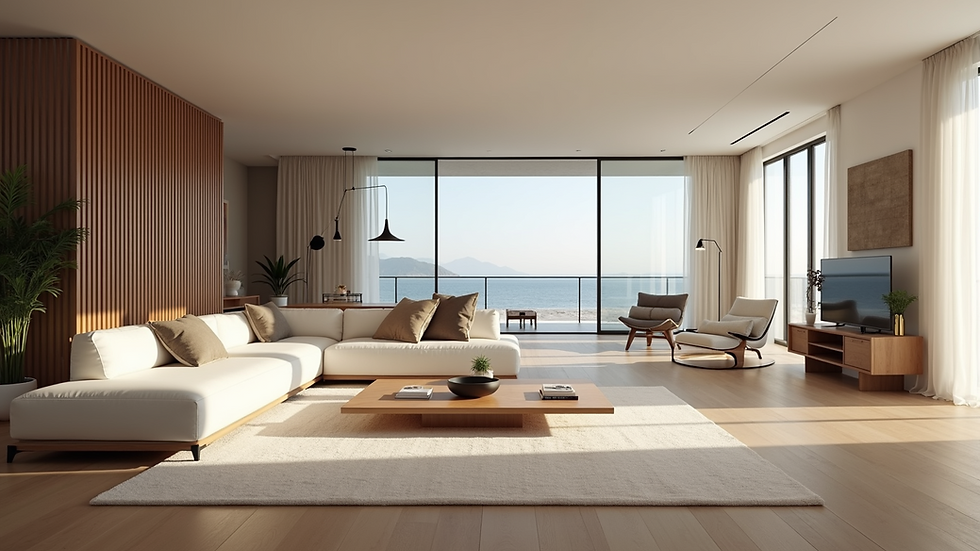
Living room showing a balanced open layout with natural light and clear traffic paths
Test Your Layout with Mockups
Before finalizing your remodel, test your layout ideas:
Use cardboard cutouts or tape on the floor to mark furniture and fixture locations.
Move furniture around to see how it affects flow and usability.
Spend time in the space imagining daily activities.
This hands-on approach reveals potential problems and helps you make adjustments early.
Plan for Future Changes
Your needs may evolve over time. Design your remodel to accommodate future updates:
Use modular furniture or systems that can expand.
Leave space for additional storage or appliances.
Choose neutral colors and timeless styles.
Consider how children, aging, or lifestyle changes might affect your space.
Planning ahead saves money and effort later.
Final Thoughts on Remodeling Layouts and Space Planning
Successful remodeling starts with clear goals and careful planning. By understanding your needs, measuring accurately, and focusing on flow, light, storage, and flexibility, you create a space that works well today and adapts to tomorrow. Test your ideas, choose materials wisely, and seek professional help when necessary. Thoughtful space planning turns remodeling from a challenge into an opportunity to improve your daily life.
Take the first step by sketching your current layout and listing what you want to change. From there, you can build a plan that transforms your space into a place you love.


Comments